



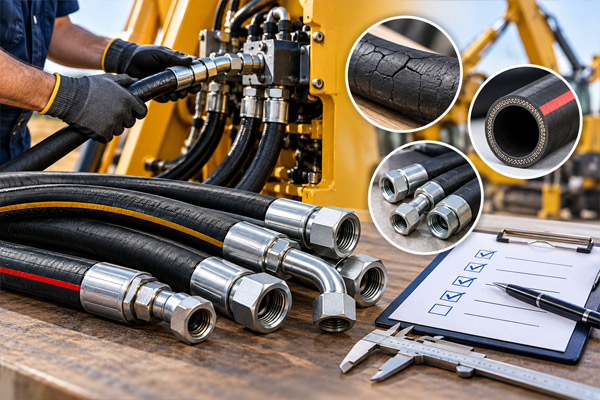
What Makes a Replacement Hose Order Go Wrong
A machine stops, the damaged hose reaches the purchase desk, and someone asks for the same size immediately. The replacement arrives, but its connection is wrong or its routing does not fit. Choosing Hydraulic Hose Suppliers involves more than finding stock during a breakdown.
Replacement mistakes often begin with incomplete information. A photograph may show the hose shape without revealing its pressure rating, fluid compatibility or fitting details. Matching appearance alone leaves too much uncertain.
A practical buying system connects maintenance records with supplier specifications. It helps your team order the correct replacement, assess alternatives and keep useful spares without filling the store with unnecessary stock.
Start With a Hose Register Before the Next Breakdown
A hose register is a record of the hoses installed on important equipment. It gives maintenance and purchasing teams a shared reference.
Assign each hose a clear identification number linked to its machine and location. Record the specification while markings remain readable.
Include the hose inner diameter, assembly length, fitting details, operating conditions and installation date. Keep photographs showing both connections and the installed route.
A simple spreadsheet is enough to start. The useful part is keeping the record accurate after every replacement.
When a hose fails, the buyer can send a known requirement instead of trying to identify everything under time pressure.
Give Hydraulic Hose Suppliers a Complete Requirement
A supplier can assess a replacement more effectively when the enquiry describes the application as well as the hose.
Provide these details before requesting a quotation:
| Required Information | What to Record |
| Machine reference | Equipment model and hose location. |
| Hose specification | Markings, part number and available datasheet. |
| Size | Inner diameter and required assembly length. |
| Pressure | System requirements, including relevant pressure peaks. |
| Temperature | Fluid and surrounding operating temperatures. |
| Fluid | Exact hydraulic fluid or lubricant. |
| Connections | Thread, sealing type, size and elbow orientation. |
| Installation | Movement, routing and space restrictions. |
| Purchase scope | Quantity, delivery location and required date. |
State how assembly length is measured. Different measuring conventions can produce different results, particularly with elbow fittings.
Matching Diameter Is Only the Beginning
Two hoses with the same inner diameter can have different pressure ratings, bend requirements and fluid compatibility.
Likewise, a fitting that screws into a port is not automatically the correct connection. The sealing arrangement and thread specification must also match.
Ask for written confirmation of the proposed hose and connection details. If the supplier recommends an alternative, compare its datasheet against the approved requirement.
Keep working pressure and burst pressure separate. Burst pressure is not a normal operating limit.
The complete assembly must be suitable for the application. A higher rated hose does not compensate for an unsuitable fitting or an unapproved assembly combination.
Confirm Whether You Need Bulk Hose or a Finished Assembly
Bulk hose and a ready to install assembly are different purchases.
Bulk hose is supplied as hose material. A finished assembly includes the specified end connections and preparation needed for the application.
Ask what the quotation covers. Confirm who selects the fittings, completes assembly work and checks the finished item.
Hose, fittings and assembly procedures should follow the applicable manufacturer’s approved combination. Similar appearance is not enough to justify mixing components.
Where testing or inspection documentation is required, agree on the scope before ordering. Avoid assuming every supplier provides assembly services or the same documentation.
Plan Critical Spares Around Downtime and Lead Time
Keeping every hose in stock is rarely practical. Keeping none can leave a plant waiting for a difficult replacement.
Prioritise spares using three questions:
- How seriously would failure interrupt operations?
- How long would a confirmed replacement take?
- How many machines use the same approved assembly?
A custom assembly on a production bottleneck may deserve different stock planning from a readily available hose used on noncritical equipment.
Review quantities against actual usage and supplier lead times. Set reorder points for important items and check them after equipment changes.
Standardise only where the technical requirements allow it. Reducing part numbers should not mean replacing different applications with one convenient hose.
Control Substitutions When the Original Hose Is Unavailable
Urgent availability can make an alternative attractive. It still needs technical review.
Ask the supplier to identify the proposed substitute clearly, including its manufacturer, specification and fitting arrangement.
Compare pressure capability, fluid compatibility, temperature limits, bend radius and installation dimensions. Refer to equipment requirements where available.
Record who approved the substitution and update the hose register after installation.
If the same location repeatedly needs replacement, investigate the cause. Rubbing, poor routing, excessive heat or another system issue may continue damaging a replacement hose, even when its specification is correct.
Protect Spare Hoses While They Are in Storage
A spare hose should remain identifiable and protected until needed.
Follow the manufacturer’s storage instructions. Keep ends protected from contamination and avoid storage conditions that can damage the hose or fittings.
Record manufacture or assembly dates where supplied. Rotate stock using an appropriate age-control system.
There is no single shelf-life rule suitable for every hose material and assembly. Ask the supplier for the guidance applicable to the exact product.
Before issuing a spare, check its identification and condition. Stock that has lost its label or suffered damage should not be treated as ready for installation.
Compare Suppliers by Order Accuracy and Support
Price matters, but an incorrect replacement can cost more than the difference between quotations.
Compare how hydraulic hose suppliers confirm specifications, communicate substitutions and explain delivery commitments. Check whether quoted items are available or need procurement.
For purchases in Ahmedabad, Gujarat or elsewhere in India, confirm dispatch arrangements, freight charges and the process for resolving specification errors.
When contacting Hoses Market, send readable markings, connection details and operating requirements. Ask for suitable options, current availability and a written quotation covering your exact purchase scope.
Conclusion
Smarter hose replacement begins before a breakdown. A clear hose register, complete enquiries and planned critical spares help purchasing teams make faster, better informed decisions.
Choose a supplier who can explain the proposed specification and clearly state what is included. Keep records current so the next replacement order starts with reliable information.
Frequently Asked Questions
Send hose markings, inner diameter, assembly length, pressure requirements, fluid and temperature details. Include fitting specifications, elbow orientation, quantity and delivery location. Photographs help, but they should support the technical information.
A photograph can help identify markings and connection shape, but may not confirm threads, sealing details or operating suitability. Provide machine records or a safely removed sample where available. Ask what remains unconfirmed before ordering.
No. Pressure capability is one requirement among several. The replacement must also suit the fluid, temperature, routing, connections and approved assembly method. Confirm the complete specification rather than upgrading on pressure alone.
Choose according to your assembly capability and purchase requirement. Bulk hose needs suitable fittings and approved preparation. A complete assembly should arrive with confirmed dimensions and connections. Clarify the supplier’s scope before comparing prices.
They may offer an alternative, but availability does not establish suitability. Request its datasheet and connection details. Have the proposed replacement reviewed against the equipment and application requirements before approval.
Base quantities on equipment criticality, replacement lead time, usage history and shared approved formats. Start with hoses that could cause costly stoppages. Review stock levels regularly rather than applying one quantity to every machine.
Confirm specifications, approved substitutions, quantities, assembly scope and delivery dates. Ask about identification, documentation, storage guidance and the process for resolving incorrect items. For unfamiliar formats, consider approving a sample before ordering the full quantity.