


Corrugated Flexible Metal Hoses – Durable Solution for Industrial Fluid Transfer
In modern industrial systems, moving fluids and gases under extreme conditions requires more than just a standard pipe. This is where corrugated flexible metal hoses become essential. These specialized hoses are designed to handle high pressures, intense heat, and constant movement without failing. Whether it is in a chemical plant, a power station, or a simple HVAC system, these hoses provide the flexibility needed to connect misaligned pipes and absorb vibrations that could otherwise damage expensive machinery.
Choosing the right flexible metal hose is critical for the safety and efficiency of any industrial operation. Unlike rubber or plastic hoses, a metal hose is built to withstand environments that would melt or crack other materials. By using corrugated flexible metal hoses, engineers can ensure a leak-proof connection that lasts for years, even when exposed to harsh chemicals or extreme outdoor weather. This durability makes them a top choice for professionals who cannot afford downtime or frequent maintenance.
What Are Corrugated Flexible Metal
Hoses
A corrugated flexible metal hose is a pressure-tight conduit made from a thin-walled metal tube. The “corrugations” are the ridges and grooves that look like a series of waves or bellows along the length of the hose. These ridges are what give a metal tube its ability to bend and flex. Without these corrugations, a metal pipe would be rigid and break if you tried to bend it.
These hoses are primarily used to solve three major problems in piping: vibration, misalignment, and thermal expansion. Because an industrial flexible metal hose can move in multiple directions, it acts as a bridge between two points that might shift or shake. They are most commonly made from stainless steel because of its ability to handle both very high and very low temperatures without becoming brittle.
Structure and Components of Corrugated Metal Hoses
To understand why a stainless steel flexible hose is so strong, we need to look at how it is built. There are three main parts to a standard assembly:
- The Inner Corrugated Tube: This is the core of the hose. It is made by forming a flat strip of metal into a tube and then welding it. After that, the corrugations are formed either mechanically or hydraulically. This part is responsible for containing the fluid or gas.
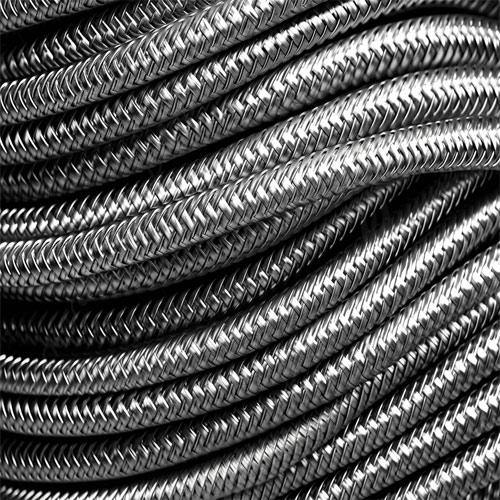
- The Wire Braid: On its own, a corrugated tube would stretch out like a spring under pressure. To prevent this, a braided corrugated metal hose features a layer of woven metal wire over the tube. This braid acts as a “straitjacket,” giving the hose high pressure resistance while still allowing it to bend.
The End Fittings: These are the connectors at each end of the hose, such as flanges, threaded nipples, or camlocks. They are usually welded to the hose to ensure a permanent, leak-proof seal.
Key Features of Corrugated Flexible Metal Hoses
What makes a high pressure metal hose better than other types of piping? Here are the key features:
Temperature Resistance
High Pressure Capability
Corrosion Resistance
Permeation Proof
Fire Safety
Absorbs Vibration
Why Use Stainless Steel for Corrugated
Hoses
When selecting a metal hose for industrial piping, stainless steel (usually Grade 304, 316, or 321) is the gold standard.
Stainless steel is chosen because it offers the best balance of flexibility and strength. It is naturally resistant to oxidation, meaning it won’t flake or thin out over time. This is especially important for an exterior corrugated flexible metal hose that is exposed to rain, salt air, or UV rays. Additionally, stainless steel is “clean,” which is why it is used in food processing and pharmaceutical plants where hygiene is a top priority.
Common Applications of Industrial Flexible Metal Hoses
You can find a flexible metal hose in almost every major industry today. Some common uses include:
- Steam Lines: Handling hot steam in laundries or power plants.
- Chemical Transfer: Moving acids and bases safely between tanks.
- Vacuum Systems: Because the metal won’t collapse, they are ideal for high-vacuum applications.
- Cryogenics: Transporting liquid nitrogen or oxygen at super-cold temperatures.
- Oil and Gas: Used in refineries for high-pressure fuel lines.
- HVAC: Connecting heating and cooling units to absorb motor vibrations.
- Engine Exhaust: Managing the heat and movement of exhaust systems in large ships or generators.
Benefits of a Braided Corrugated Metal
Hose
A braided corrugated metal hose offers a massive advantage over unbraided versions. The braid serves two main purposes. First, it increases the pressure rating of the hose significantly. Without the braid, the hose would simply deform under pressure. Second, the braid protects the delicate inner corrugations from external rubbing or impact.
In many industrial flexible metal hose setups, you might even see “double braiding.” This is when two layers of wire mesh are used to handle even higher pressures. This makes the hose a “heavy-duty” component that can survive in the most demanding environments on earth.
How to Choose the Best High Pressure Metal Hose
Selecting the right high pressure metal hose requires looking at a few specific factors. Engineers often use the “STAMPED” acronym:
- Size: What is the diameter of the piping it needs to connect to?
- Temperature: What are the minimum and maximum temperatures the hose will see?
- Application: Is the hose moving constantly, or is it just sitting in a bent position?
- Media: What is flowing through the hose? Is it corrosive?
- Pressure: What is the maximum working pressure, and are there any sudden “spikes”?
- End Fittings: What type of connectors are required at the ends?
- Delivery: How soon do you need the assembly?
Installation Tips for Metal Hoses for Industrial Piping
To ensure your metal hose for industrial piping lasts as long as possible, follow these installation tips:
- Avoid Twisting: A metal hose is not designed to be twisted. Ensure the fittings are aligned so the hose only bends in one plane.
- Proper Bend Radius: Every hose has a “minimum bend radius.” If you bend it too sharply, you will crack the corrugations.
- Support the Weight: For long horizontal runs, use supports so the weight of the fluid doesn’t pull on the hose ends.
- Avoid Sharp Edges: Make sure the hose isn’t rubbing against a sharp metal corner, as this will eventually cut through the braid.
Maintenance and Inspection of Flexible Metal Hoses
Even though a stainless steel flexible hose is very tough, it still needs regular check-ups. Look for these signs of wear:
- Frayed Braid: If you see broken wires in the braid, the hose’s pressure rating is reduced.
- Corrosion: Check for “pitting” or rust spots, especially near the welds at the end fittings.
- Deformation: If the hose looks “squashed” or permanently stretched, it may have been exposed to too much pressure.
- Leaks: Use a soapy water test or look for moisture around the connections.
Comparison Table: Metal Hose vs. Rubber Hose vs. PTFE Hose
| Feature | Corrugated Metal Hose | Rubber Hose | PTFE (Teflon) Hose |
| Durability | Extremely High | Medium | High |
| Temp Range | Excellent (-200°C to 600°C) | Poor (-40°C to 100°C) | Good (-60°C to 260°C) |
| Pressure | Very High | High | Medium |
| Chemical Resistance | Excellent | Moderate | Excellent |
| Permeation | Zero (Gas Tight) | High | Low |
Why Choose Hoses Market for Your Metal Hose Solutions
At Hoses Market, we specialize in providing top-tier corrugated flexible metal hoses that meet strict industrial standards. We understand that in the world of industrial piping, quality is not optional. Our stainless steel corrugated metal hose assemblies are tested for leaks and pressure resistance to ensure they perform exactly as promised.
We offer a wide range of industrial flexible metal hose options, with various braiding and fitting combinations. Whether you need a single high pressure metal hose for a repair or a full set of hoses for a new factory, our team is here to help you find the most durable and cost-effective solution
FAQ’s
It is a thin-walled metal tube with ridges (corrugations) that allow it to bend. It is usually covered in a metal braid to handle high pressure.
Yes, a stainless steel flexible hose can handle extreme heat (up to 600°C) and extreme cold (-200°C), making it much better than rubber.
The braid prevents the flexible metal hose from stretching under pressure. It also protects the inner tube from scratches and physical damage.
Yes, corrugated flexible metal hoses are “permeation-proof.” This means gas cannot leak through the walls of the metal, unlike rubber or plastic hoses.
With proper installation and maintenance, these hoses can last for many years. Their life depends on the pressure, temperature, and how much they move during use.
Conclusion
If you are looking for a reliable way to move fluids or gases in tough conditions, corrugated flexible metal hoses are the best choice. They offer the strength of metal with the flexibility of a traditional hose. From handling extreme heat to absorbing heavy vibrations, these hoses protect your equipment and keep your operations running smoothly.
Explore the high-quality stainless steel corrugated metal hose collection at Hoses Market today. Our team is ready to help you find the perfect industrial flexible metal hose for your specific needs. Invest in durability and safety with our premium metal hose solutions!